Best Turntables 2024
In an era where digital music reigns supreme, there remains an enduring allure to the tactile and auditory charms of vinyl records. With the resurgence of interest in analog sound, the search for the best turntables has never been more relevant or exciting. For both the nostalgic listener and the discerning audiophile, a quality turntable isn’t just a piece of audio equipment; it’s a gateway to a richer, more immersive listening experience. In this guide, we’ll dive into the top turntables that cater to every enthusiast—from budget-conscious beginners to seasoned vinyl aficionados—ensuring that you find the perfect match for your audio journey. Let’s spin into the world of superior sound and timeless music.
Top 5 Turntables:
1. Pro-Ject Debut Carbon Evo

If you’re looking to savor every detail of your vinyl collection the Pro Ject Debut Carbon Evo is a choice. With its carbon fiber tonearm equipped with either an Ortofon 2M Red or Sumiko Ranier cartridge this turntable stands out in todays market. The new motor design boosts performance while the adjustable feet ensure a platter for a warmer and more substantial vinyl sound free of any distracting operational noise. Switching speeds is now effortless thanks to a speed change switch—no more struggling with the platter and drive belt; just press a button to switch from 33.3rpm to 45rpm. The solid steel platter, featuring a ring on the inner edge effectively reduces noise and vibration, for clean and immersive vinyl playback that transports you into the studio setting. Every minute detail shines through creating an engaging listening session.
Moreover the turntable comes in nine finishes to cater to your personal style and home decor preferences. Each color exudes sophistication.
What impresses me the most is how well it captures the range of emotions in each song.
On the side the drawback is its higher price tag compared to earlier models. However if you have the budget for it the benefits are worth it, for notch audio quality and ease of use.
2. Angels Horn H019

The Angels Horn H019 all in one record player really stands out from the rest. When you first unpack it you can’t. Notice its elegant wood finish top and durable adjustable tonearm. It gives off a vibe of quality craftsmanship not like any other flimsy device.
Lets start with the quality. We’re all familiar with how most all in one record players tend to let us down in this department.. The Angels Horn H019 defies that expectation. Equipped with an Audio Technica AT 3600L phono cartridge it delivers rich sound that surpasses many competitors. Even serious music enthusiasts would likely appreciate its fidelity.
It’s not easy to find a turntable that handles both classic music effortlessly but this one excels with its Bluetooth and analog audio input choices. Whether you’re playing vinyl records or streaming music from your phone the sound quality remains exceptional. Furthermore the four built in speakers offer quality audio output, ideal for intimate gatherings or those laid back Sunday listening sessions.
Now lets discuss versatility. With Phono and Line outputs at your disposal you can easily connect speakers using an RCA cable for an even more immersive audio experience. And if setting up the Phono equalizer seems daunting simply switch to Line mode to keep things straightforward.
Setting up devices can often be an experience, for many users.
The Angels Horn H019 simplifies the process ensuring an experience where you can quickly dive into enjoying your beloved vinyl tracks. One small issue to note is that fine tuning the tonearm may require some skill. Its not a major concern. Once you adjust it right the results are simply enchanting. To sum up the Angels Horn H019 stands out as an all, in one turntable that elevates your music listening journey.
3. Fluance RT85N

The Fluance RT85N serves as an example of an exceptional all purpose turntable. Its straightforward setup and user friendly design make it a joy to use, delivering sound that stays true to the original recording. This particular model stands out for its high quality materials, such as the acrylic platter, which minimizes resonance and enhances clarity. Compared to non DJ turntables we’ve tested it features the heaviest plinth boosting overall stability.
The sound isolation feet effectively reduce vibration allowing you to enjoy crystal music without any interference. Additionally the Nagaoka MP 110 phono cartridge shines in its category by bringing out details in your records that may go unnoticed with lesser cartridges.
Operating the cue lever for tonearm adjustment is a breeze, thanks to its raising and lowering mechanism. The counterweight dial makes tuning adjustments simple and hassle free. The auto stop feature may seem small. Is greatly appreciated when you just want to relax and listen without interruptions.
While it smoothly handles both 33 and 45 rpm records with seamless speed switching capabilities it does not support 78 rpm records – although this limitation may not be a concern, for most users.
Most audio receivers nowadays come with a built in phono preamp. The Fluance RT85N doesn’t have one, which might not be a big deal. To sum it up the Fluance RT85N offers sound quality and user friendliness that’s tough to match.
4. Fluance RT81
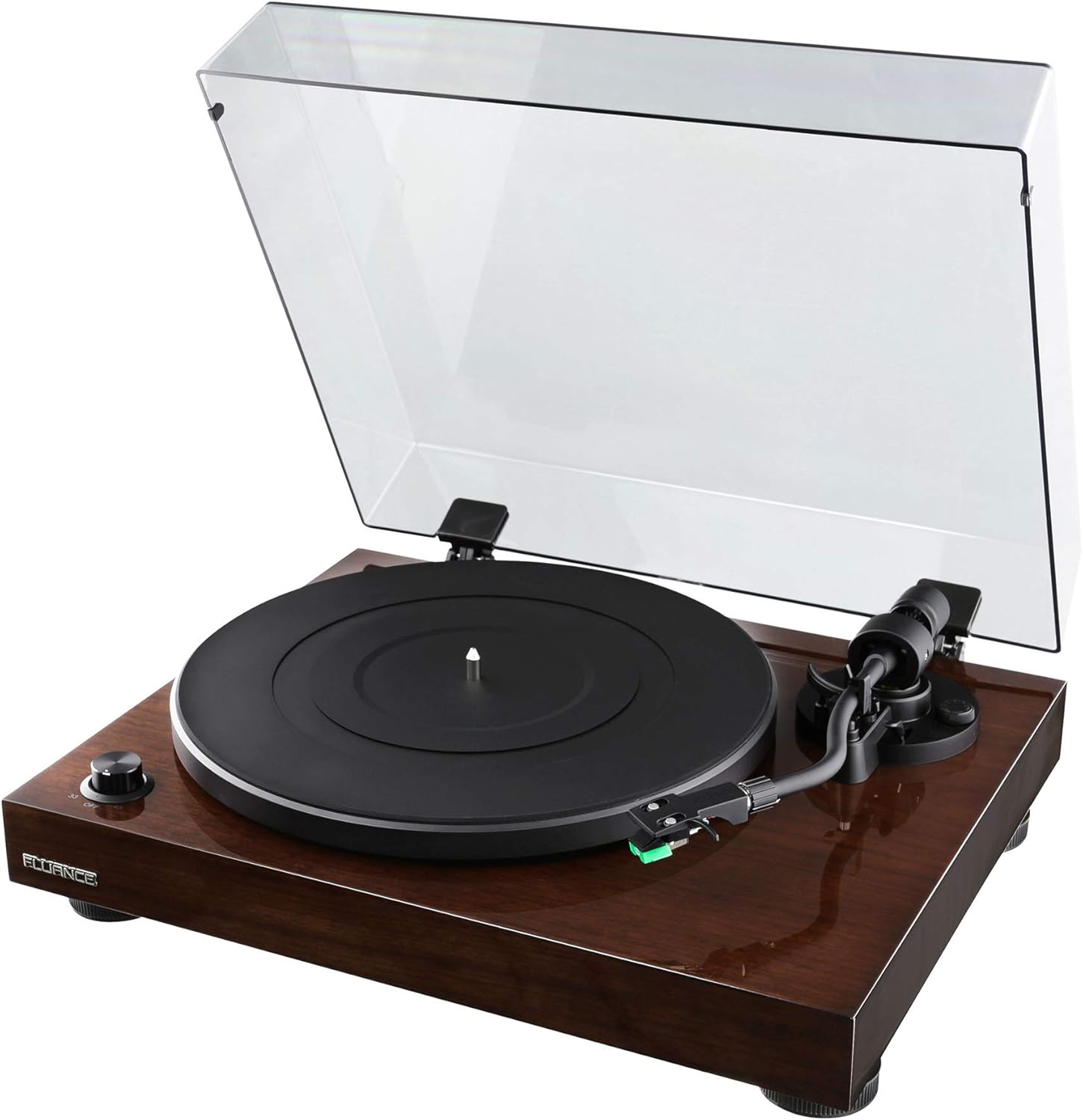
If you’re new to vinyl records the Fluance RT81 is a choice for beginners. Its easy setup and user friendly design make it ideal for those starting their record collection. A great feature is that you don’t need a phono preamp since it has one built in.. If you decide to use an external preamp later on you can easily disable the built in one.
When it comes to quality the Fluance RT81 impresses with its clarity and performance especially considering its price range. Upgrading the cartridge can further enhance its capabilities making it a worthwhile long term investment.
Now lets discuss some of its features. The auto off function helps prevent needle wear by stopping the platter though you’ll need to manually return the arm. While this may not be a deal breaker, those who prefer automated systems might lean towards the Denon DP 300F instead. Additionally manually queuing records could be an inconvenience for those seeking a hands free experience.
All hope is not lost. If top notch performance from the start is your priority you might want to explore the Pro Ject Carbon Evo. Nonetheless the Fluance RT81 strikes a balance, between simplicity and potential for upgrades.
Ultimately this record player strikes a balance, between user friendly features and the capacity to expand along with your vinyl records.
5. Audio-Tecnica AT-LP60XBT

The Audio Technica AT LP60XBT is a choice for new vinyl fans on a budget. If you’re just getting into vinyl this turntable is a pick. Setting it up is straightforward for those with some experience although it does require assembly.
One standout feature is its Bluetooth capability allowing you to wirelessly connect to headphones or speakers. This flexibility enhances the listening experience when playing records. Additionally it comes with a phono preamp that lets you connect directly to powered speakers or your computer even if it lacks a phono input. You also have the option to bypass it and use your phono stage if desired.
The sound quality of this turntable is remarkable boasting an audio profile favored by many vinyl enthusiasts. While some may desire treble clarity preferences vary. The quality ATN3600L conical stylus excels at bringing out the intricacies in your favorite tracks revealing nuances that may have gone unnoticed before and enhancing your music enjoyment.
In terms of design it’s sleek and practical with its matte finish and lightweight 2.6kg build making it versatile, for placement anywhere in your space. Although its light weight may give an impression of fragility rest assured that its design is well crafted and operates smoothly.
For those looking for simplicity and affordability this deck is a choice. The addition of Bluetooth adds value to it making it even more cost effective.
Things To Consider When Buying a Turntable
You’ve decided to take the plunge and invest in a turntable, but with so many options out there, it can be overwhelming to choose the right one. From belt drive vs. direct drive, to adjustable tonearms and built-in preamps, there are several key factors to consider before making your purchase. In this guide, we’ll break down the necessary things to keep in mind when buying a turntable, ensuring you make an informed decision that best suits your needs and budget.
Understanding the Types of Turntables
Your journey to finding the perfect turntable begins with understanding the different types available in the market. Each type has its own set of characteristics and functionalities that cater to different needs and preferences. Knowing the distinctions between them will help you make an informed decision when purchasing your turntable.
| Belt-Driven Turntables | Direct-Drive Turntables |
| Idler-Wheel Turntables | USB Turntables |
Belt-Driven Turntables
To start off, belt-driven turntables use an elastic belt to drive the platter. This design helps reduce motor noise and vibration transmitted to the stylus, resulting in better sound quality. Belt-driven turntables are known for their smooth and consistent playback, making them ideal for audiophiles who prioritize audio clarity and accuracy.
Direct-Drive Turntables
An alternative to belt-driven turntables is the direct-drive type. Direct-drive turntables have the motor directly connected to the platter, providing more accurate and stable speed control. This design makes them popular among DJs and turntablists who require quick start-up times and precise control over the playback speed. Turntables with a direct-drive mechanism are also known for their durability and longevity. Some enthusiasts argue that direct-drive turntables may introduce motor noise and vibrations, which can affect sound quality. However, advancements in technology have minimized these issues in modern direct-drive models, making them a versatile choice for both casual listeners and professionals.
Idler-Wheel Turntables
Some vintage turntables feature an idler-wheel mechanism, where a wheel transfers the rotation from the motor to the platter. Idler-wheel turntables are known for their high torque and fast start-up times, making them popular in the mid-20th century. While they may not be as common today, some collectors and vintage audio enthusiasts still appreciate the unique sound and nostalgia these turntables offer. Plus, idler-wheel turntables require regular maintenance and may exhibit more mechanical noise compared to belt-driven or direct-drive models. If you are a fan of retro audio equipment and enjoy the tactile experience of operating vintage turntables, an idler-wheel model could be a great addition to your collection.
USB Turntables
Types of turntables that have gained popularity in recent years are USB turntables. These turntables are equipped with a USB output that allows you to easily digitize your vinyl collection by connecting the turntable to a computer. This feature is convenient for archiving and preserving your vinyl records in a digital format, making it accessible for digital playback or storage. Another benefit of USB turntables is the ability to edit and enhance your digitized audio files using software on your computer. This gives you more flexibility in customizing the sound quality of your vinyl recordings to suit your preferences. Another advantage of USB turntables is their compatibility with various devices, making them a versatile choice for modern music enthusiasts who value convenience and accessibility.
Key Factors to Consider When Buying a Turntable
Budget and Price Range
Some important factors to consider when buying a turntable include your budget and price range. Turntables can vary greatly in price, from affordable entry-level models to high-end, luxury options. It is important to determine how much you are willing to invest in a turntable before starting your search.
- Consider the quality of the components and materials used in the turntable.
- Think about any additional costs, such as accessories or maintenance, that may be required.
Though it’s important to stick to your budget, remember that investing a little more upfront in a quality turntable can save you money in the long run by avoiding the need for frequent repairs or upgrades.
Space and Portability
For those with limited space or who like to move their setup around, the size and portability of a turntable are crucial factors to consider. Some turntables are compact and designed to fit in small spaces, while others may require more room for optimal performance.
For instance, if you plan to travel with your turntable or frequently rearrange your setup, you may want to consider a lightweight, portable model that is easy to transport.
Sound Quality and Audio Output
Factors that influence the sound quality of a turntable include the quality of the cartridge, tonearm, platter, and motor. Higher-end turntables generally produce better sound quality due to the use of superior components and precision engineering.
Plus, the type of audio output your turntable has (such as built-in preamps, USB connectivity, or Bluetooth compatibility) can also affect the overall sound performance and the convenience of connecting to other devices.
Durability and Build Quality
Buying a turntable with good durability and build quality is important for ensuring long-term performance and enjoyment. Look for turntables made from high-quality materials and construction to ensure they can withstand regular use and last for years to come.
When considering the durability of a turntable, pay attention to the quality of the components, the overall construction, and any warranties or guarantees offered by the manufacturer.
Additional Features and Accessories
Any additional features or accessories included with a turntable can enhance your listening experience and provide greater convenience. Some turntables come with built-in Bluetooth connectivity, adjustable tonearms, or automatic features that make operation easier.
Additional accessories like dust covers, cleaning kits, and upgraded cartridges can also improve the performance and longevity of your turntable, making them worth considering when making your purchase.
Step-by-Step Guide to Choosing the Right Turntable
Assessing Your Vinyl Collection and Playback Needs
Many factors come into play when selecting the right turntable for your needs. One of the first steps is to assess your vinyl collection and playback requirements. Take a look at the size and condition of your record collection, as well as any special playback features you may want, such as USB connectivity for digitizing your vinyl.
| Vinyl Collection | Consider the size and condition of your record collection. |
| Playback Needs | Think about any special features you require, like digitization capabilities. |
Researching and Comparing Different Models
Your next step in choosing the right turntable is researching and comparing different models. Look into various brands, features, and price points to find a turntable that fits your budget and needs. Consider factors such as drive type (belt-driven or direct drive), cartridge type, and built-in preamp options.
| Brands | Research different brands to find a reputable manufacturer. |
| Features | Compare various features like drive type, cartridge options, and preamp. |
Your research on different turntable models allows you to make an informed decision. By comparing specifications, reviews, and user feedback, you can narrow down your choices to find the best turntable that meets your requirements.
Reading Reviews and Checking Ratings
Another crucial step in the turntable selection process is reading reviews and checking ratings. Look for reviews from reputable sources and feedback from actual users to gauge the performance and reliability of the turntable models you are considering. Pay attention to any common issues or praises mentioned in reviews.
| Reviews | Read professional reviews to understand the pros and cons of each model. |
| Ratings | Check user ratings to get a sense of overall satisfaction with the product. |
Reading reviews and checking ratings provides valuable insights into the quality and performance of a turntable. This information can help you make a more informed decision and avoid potential issues with your purchase.
Choosing the Right Test and Auditioning Turntables
Choosing the right turntable involves testing and auditioning different models to find the one that suits your preferences. Visit local audio stores or attend audio exhibitions where you can listen to various turntables in person. Pay attention to sound quality, ease of use, and overall build quality during your auditioning process.
| Test and Audition | Listen to different turntables to assess sound quality and performance. |
| Preferences | Consider your personal preferences in terms of design and functionality. |
Right before making your final decision, remember that testing and auditioning turntables is key to ensuring you choose a model that not only sounds great but also suits your listening style and preferences. Turntables are an investment, so take the time to find the perfect match for your vinyl listening experience.
Whether you are just starting your vinyl journey or looking to upgrade your current setup, following these steps can help you navigate the process of selecting the right turntable for your needs.
Tips for First-Time Turntable Buyers
Unlike other modern music players, turntables require more attention to detail and maintenance. To ensure you make the best choice when purchasing your first turntable, consider the following tips:
Setting Realistic Expectations
Setting realistic expectations is crucial when buying your first turntable. While you may dream of audiophile-level sound quality, entry-level turntables may not offer the same experience. Understand that the quality of your setup will greatly impact the sound you hear. Assume that investing in better components over time will enhance your listening experience.
Understanding the Importance of Maintenance
On top of selecting the right turntable, you must understand the importance of maintenance. Regular cleaning and calibration are necessary to prolong the life of your turntable and maintain its performance. Proper storage and handling of vinyl records are equally important to prevent damage and ensure optimal sound quality.
Realistic expectations guide you in your purchasing decisions and help you make informed choices within your budget. Additionally, understanding the real cost of maintenance can prevent unexpected expenses down the line.
Considering the Cost of Accessories and Upgrades
Setting aside budget for accessories like a preamp, speakers, or cartridges is crucial when buying a turntable. These components can significantly impact sound quality and overall performance. Additionally, consider the potential cost of future upgrades as you examine deeper into the world of vinyl listening.
Upgrades such as a better cartridge or stylus can enhance the sound quality of your turntable. Factor in these costs when setting your budget and planning for the long term.
Seeking Advice from Experienced Vinyl Enthusiasts
There’s a vast community of vinyl enthusiasts who are more than willing to share their knowledge and expertise. Seeking advice from experienced collectors or audiophiles can provide valuable insights into turntable selection, maintenance tips, and upgrade options. Their firsthand experience can help you avoid common pitfalls and make informed decisions.
Accessories such as a record brush, cleaning solution, or an anti-static mat can make a significant difference in sound quality and overall performance. Investing in these accessories is vital for maintaining your turntable and preserving your vinyl collection.
Weighing the Pros and Cons of Different Turntable Features
All the features of a turntable come with their own set of pros and cons. It’s important to understand these features before making a purchase decision to ensure that you get the right turntable for your needs. Below are some common turntable features broken down into their pros and cons:
| Feature | Pros and Cons |
| Automatic vs. Manual Operation | |
| Built-in Preamp vs. External Preamp | |
| Speed Adjustment and Pitch Control | |
| Wireless Connectivity and Bluetooth Capability |
Automatic vs. Manual Operation
Features like automatic and manual operation offer different user experiences. Automatic turntables can start, stop, and cue the tonearm automatically, making them more user-friendly for beginners. On the other hand, manual turntables give the user greater control over the playback process, allowing for more precise cueing and adjustment.
Built-in Preamp vs. External Preamp
There’s a significant difference between a turntable with a built-in preamp and one that requires an external preamp. Built-in preamps are convenient as they eliminate the need for additional equipment, making setup easier and more straightforward. However, external preamps can provide higher quality sound and more customization options for audio enthusiasts who want to fine-tune their sound experience. Weighing the pros and cons of built-in preamps versus external preamps depends on individual preferences. Built-in preamps offer convenience and simplicity, while external preamps provide potentially better sound quality and more control over the audio output.
Speed Adjustment and Pitch Control
With speed adjustment and pitch control features, users can customize their listening experience by altering the playback speed and pitch of the music. This can be particularly useful for DJs or audiophiles who want to mix or manipulate the sound. However, these features may not be necessary for casual listeners who prefer standard playback settings. Bluetooth capability allows the turntable to connect wirelessly to Bluetooth-enabled speakers or headphones, providing a more modern and clutter-free setup. Plus, wireless connectivity opens up the possibility of streaming music from digital devices directly to the turntable, expanding the listening options for users.
Common Mistakes to Avoid When Buying a Turntable
Not Considering the Power Source and Voltage
Now, when purchasing a turntable, it’s crucial to consider the power source and voltage requirements. Some turntables come with built-in preamps and require an external power source, while others can be powered directly through the mains. Make sure to check if the turntable you’re eyeing matches the power specifications of your setup to avoid any compatibility issues.
Overlooking the Importance of a Good Cartridge
To ensure optimal sound quality from your turntable, it’s necessary not to overlook the importance of a good cartridge. The cartridge is responsible for translating the grooves on the record into electrical signals, impacting the overall audio performance. Investing in a high-quality cartridge can significantly enhance your listening experience and bring out the best in your vinyl collection.
Another aspect to consider when it comes to cartridges is the stylus type. The stylus, or needle, comes in various shapes and materials, each affecting the way it reads the record grooves. Be sure to research the different types of cartridges and styluses available to find the best match for your listening preferences and budget.
Failing to Check the Warranty and Support
To avoid potential headaches down the line, it’s important to check the warranty and support options when purchasing a turntable. Some manufacturers offer extended warranties or helpful customer support, which can be invaluable if you encounter any issues with your device. Ensure that you are aware of the warranty coverage and support services available before making your final decision.
Not Budgeting for Additional Costs and Upgrades
Plus, when buying a turntable, it’s easy to get caught up in the excitement of the initial purchase and overlook potential additional costs and upgrades. Factors like accessories (such as a dust cover or record cleaning kit), replacement parts, and future upgrades (like a better tonearm or platter) should be factored into your budget from the start. By planning for these additional expenses, you can avoid any surprises and gradually improve your turntable setup over time.
Even more about Not Budgeting for Additional Costs and Upgrades
Budgeting for potential upgrades is necessary, especially if you plan to expand your vinyl collection or enhance your listening experience in the future. By setting aside a budget for additional costs and upgrades, you can gradually build upon your turntable setup and tailor it to your evolving needs and preferences.
To wrap up
Upon reflecting on the things to consider when buying a turntable, it becomes clear that understanding your needs and preferences is key. Whether you are a DJ looking for professional equipment or a vinyl enthusiast seeking a vintage setup, the style, features, and budget will play a significant role in your decision-making process. By doing thorough research, listening to recommendations, and testing out different models, you can ensure that you find the perfect turntable to suit your specific requirements.
In addition, it is necessary to consider the long-term maintenance and upgrade options for your turntable. Investing in quality components, such as a good cartridge, stylus, and platter, can enhance the performance and longevity of your turntable. Furthermore, staying informed about technological advancements and industry trends can help you make informed decisions when upgrading or expanding your setup in the future. By carefully considering these factors, you can make a well-informed purchase that will bring you years of listening pleasure.