Best Paint Sprayers
If you’re looking for the best paint sprayers to simplify your home projects and deliver flawless finishes, you’re in the right place. We understand the frustration of choosing the right tool that combines power and precision. Our expert guide dives into top-rated models, including efficient paint guns, to bring you unbeatable performance and ease of use. Get ready to transform your space effortlessly as we explore the exciting features that await you.
Top 5 Paint Sprayers:
1. Graco Magnum Project Painter Plus Paint Sprayer – Best Overall Paint Sprayer

Ready to take your painting projects to the next level? The Graco Magnum Project Painter Plus Paint Sprayer delivers smooth, professional-looking results across a variety of surfaces—perfect for everything from exterior shutters to garage doors.
What sets it apart is the even, consistent coverage you get in just one coat. Adjusting the pressure is quick and intuitive, allowing you to dial in the right settings for different paint types. You can spray latex paint without thinning it, which saves time and effort. And with a trigger lock feature, you can work longer stretches without straining your hand.
Even though it’s a stationary unit, it’s easy to move around thanks to the built-in handle. The included 25-foot hose gives you good reach, and you can opt for a 50-foot hose for larger jobs. Being able to draw paint directly from one- or five-gallon cans means no messy pouring or transferring. It’s well-suited for projects up to five gallons in size.
During testing, this sprayer delivered reliable performance across both indoor and outdoor projects. It even seemed to operate a bit more efficiently in warmer weather, making those big jobs feel more manageable.
Cleanup takes a little time, but connecting it to a garden hose makes the process much easier. With its solid performance and ease of use, this sprayer is a fantastic tool for anyone looking to upgrade their painting setup.
2. Titan ControlMax 1900 Pro High Efficiency Airless Sprayer – Best Portable Paint Sprayer
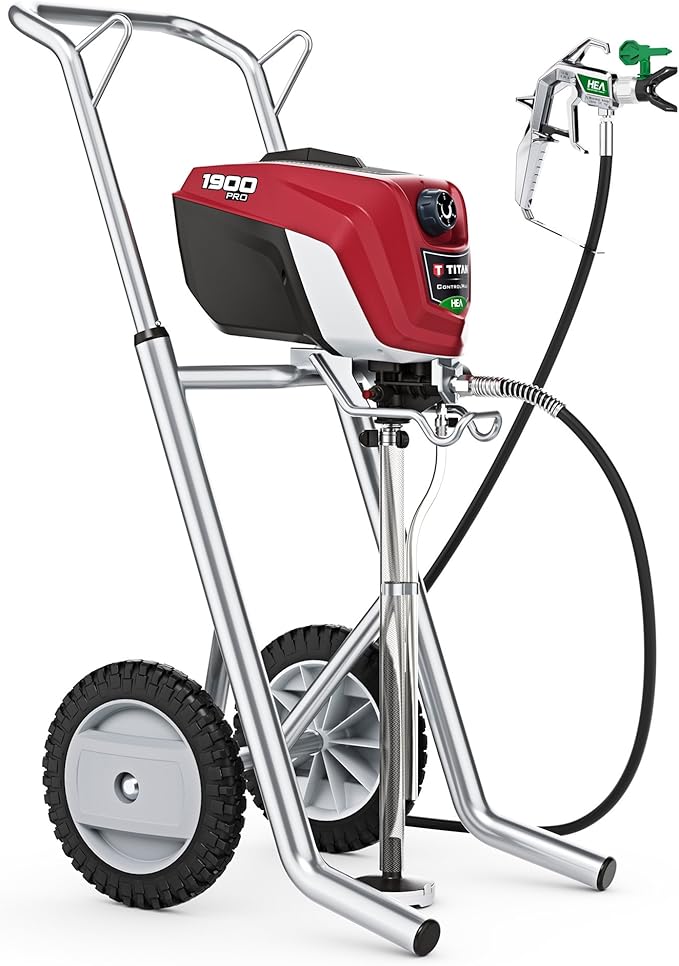
Get ready to elevate your painting game with the Titan ControlMax 1900 Pro High Efficiency Airless Sprayer. Built for performance and portability, this sprayer is a powerhouse—perfect for tackling everything from large exteriors to detailed interior work.
One of its best features is the wheeled cart design. It’s easy to maneuver, so moving from one project to another doesn’t slow you down. Whether you’re spraying an entire shed or just refreshing cabinets and walls, it handles it all with ease. And once you get the hang of the cleanup process, you’ll be surprised by how simple it is.
Being able to draw paint directly from 1-gallon or 5-gallon cans is a huge time-saver. No more constant refilling or wasted paint. With a 50-foot hose included—and support for up to 100 feet—you get plenty of flexibility for large-scale tasks.
The nozzle also deserves a shout-out. Its rotating tip lets you adjust your spray pattern for a smooth, consistent finish, and five pressure settings give you the control you need when working with materials like exterior latex paint.
If there’s one small drawback, it’s the lack of a garden hose adapter for quicker rinsing. Still, with a bit of planning, cleanup stays manageable.
With its efficient performance and consistently great results, this sprayer is a fantastic choice for anyone serious about painting projects—big or small.
3. Wagner Spraytech Control Spray Max – Best Value Paint Sprayer
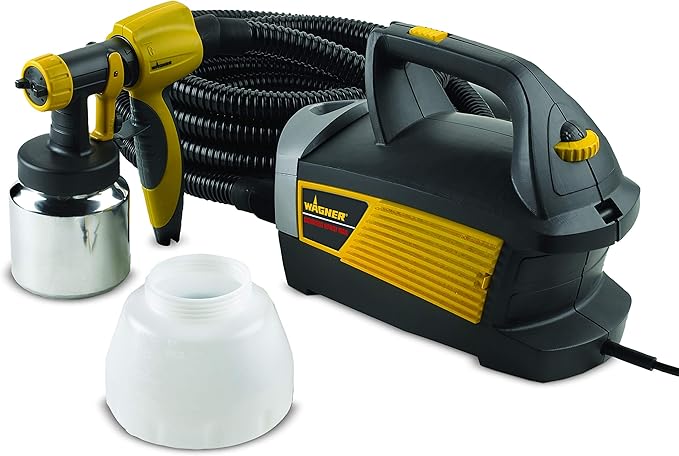
Ready to take your DIY projects to the next level? The Wagner Spraytech Control Spray Max is a versatile HVLP sprayer that makes painting cabinets, furniture, and more feel effortless. Whether you’re working with stains, polyurethane, or thinned paints, this tool offers smooth, even coverage with minimal effort.
One of the standout features is the rotating air cap, which lets you easily adjust the spray pattern and focus. Whether you need precision for detailed pieces or broad coverage for larger surfaces, you’re in control. The 20-foot hose gives you plenty of flexibility to move around without constantly repositioning the base.
While the construction is mostly plastic, the sprayer feels lightweight and manageable—ideal for weekend projects or longer sessions without fatigue. It includes both a 1-quart metal cup and a 1.5-quart plastic cup, so you can choose the best fit based on your task and prep accordingly.
The plastic build may not match the ruggedness of all-metal units, but it still holds up well for typical home projects. It’s easy to set up, simple to clean, and quick to switch between applications.
In a crowded field of paint sprayers, the Wagner Control Spray Max stands out for its ease of use, flexibility, and dependable performance—making it a solid choice for DIYers who want great results without the fuss.
4. Graco Ultra Cordless Airless Handheld Paint Sprayer – Best Cordless Paint Sprayer

Transform your painting experience with the Graco Ultra Cordless Airless Handheld Paint Sprayer. This compact powerhouse blends convenience and versatility, making it a smart pick for everything from furniture makeovers to quick touch-ups around the house.
One of its standout features is compatibility with DeWALT lithium XR batteries. If you already use DeWALT tools, you’ll appreciate the seamless power integration—no interruptions or extra chargers to manage. It also handles most latex paints, as well as water- and mineral spirit-based materials, giving you flexibility for a wide range of projects.
At about 11 pounds, it’s a bit heavier than some handheld models, but that added weight helps with balance and control. It stays steady while in use, which improves precision and reduces strain on your arm during detail work.
The airless technology is another win. It provides a smooth, consistent finish with minimal overspray—perfect when you want a professional look without the mess. Cleanup is straightforward, so you can get back to your day without dealing with the hassle of brushes and rollers.
While its weight might be noticeable on longer jobs, that’s also a subtle reminder to take breaks and avoid fatigue. It’s a thoughtful trade-off that supports both performance and comfort.
With user-friendly features and impressive results, the Graco Ultra Cordless sprayer earns its place as a go-to tool for serious DIYers and home improvement enthusiasts alike.
5. HomeRight Quick Finish HVLP Paint Sprayer – Best Budget Paint Sprayer

Looking for a dependable sprayer to simplify your painting projects? The HomeRight Quick Finish HVLP Paint Sprayer is a standout in the budget-friendly category, offering a solid blend of ease and performance.
Setup is quick and painless—you can go from unboxing to spraying in just minutes. Its lightweight design makes it easy to maneuver, turning tasks like painting bar stools or wooden boards into something you’ll actually enjoy.
Even with regular monthly use, this sprayer continues to perform reliably. After six months of testing, it still sprays just as smoothly. The 28-ounce paint canister is perfect for small projects, and even when refills are needed for larger tasks, the process is simple and fast.
The built-in flow control knob gives you the ability to fine-tune paint output, while three spray pattern options—vertical, horizontal, and round—let you adapt to different surfaces with ease. Each mode delivers a clean, consistent finish.
While it may require a little extra care for detailed work, it truly excels on wider surfaces. A quick spurt of paint at startup is worth noting, but it’s easily managed by pointing the spray
Things To Consider When Buying a Paint Sprayer:
Most homeowners and DIY enthusiasts face the challenge of selecting the right paint sprayer for their projects. With numerous options available, it’s crucial to consider your specific needs, project size, and the type of paint you’ll be using. In this guide, we’ll explore the key factors you should evaluate to ensure you choose the perfect paint sprayer that will save you time and deliver a professional finish on your next painting endeavor.
Types of Paint Sprayers
While exploring different paint sprayers, it’s important to understand the various types available to find the best fit for your needs. Each type has its own advantages and applications:
Airless Paint Sprayers
Now, when you consider Airless Paint Sprayers, they are designed for high-pressure application, allowing you to spray thick materials like latex or oil-based paints efficiently. They are perfect for covering large surfaces quickly, making them ideal for exterior walls and large interior spaces.
HVLP Paint Sprayers
To achieve a fine finish, HVLP (High Volume Low Pressure) Paint Sprayers are your best ally. They minimize overspray, making them suitable for detail-oriented projects, furniture, and cabinetry, where precision is important.
Sprayers that use HVLP technology work by converting high pressure to low pressure, which helps in achieving a finer and more controlled spray pattern. This technology ensures that your paint goes exactly where you want it, reducing waste and creating a more professional-looking finish.
Compressed Air Sprayers
Little do many know, Compressed Air Sprayers utilize a traditional method of spraying paint through compressed air. This type is generally recommended for projects requiring a smooth, even finish, especially when using thinner paints.
Paint that is applied using Compressed Air Sprayers tends to adhere better and dry evenly due to the consistent air pressure. However, this method may produce more overspray compared to HVLP models, so it’s advisable to use it in open areas or when thorough masking is possible.
Important Factors to Consider
If you’re in the market for a paint sprayer, there are several important factors to consider to ensure you make the right choice:
- Project Size
- Paint Type Compatibility
- Desired Finish Quality
This will help you find a sprayer that meets your specific needs.
Project Size
One key aspect to explore is the size of your project. Consider if you’ll be working on a small DIY task, like painting a chair, or a larger undertaking, such as spraying an entire room. The size of the project often dictates the type of sprayer you’ll need, whether it’s a handheld model or a more robust, stationary unit, affecting your overall efficiency and ease of use.
Paint Type Compatibility
Compatibility is necessary when choosing a paint sprayer, as different models handle various types of paint. Ensure the sprayer can work with the paint you plan to use, whether it’s latex, oil-based, or specialty finishes. Not all sprayers are designed for all types of paint, and using the wrong one can lead to poor results.
Factors such as the viscosity and formulation of your chosen paint can affect how well it atomizes and sprays. Some sprayers come with adjustable settings for different thicknesses, while others may require thinning the paint for optimal performance. Therefore, understanding your paint options is vital for achieving the best outcome.
Desired Finish Quality
Quality of the finish is another important factor when selecting a sprayer. The right device should deliver a smooth, even application to ensure professional-looking results. Whether you prefer a satin sheen or a high-gloss finish, the sprayer’s capabilities can greatly affect the final appearance of your project.
Another consideration is how various sprayer types affect the quality of the finish. Airless sprayers may provide a thicker, more textured coat, while HVLP (high volume, low pressure) sprayers typically offer finer control and smoother finishes. Thus, aligning your sprayer choice with your finish goals can lead to optimal results in your painting projects.
Tips for Choosing the Right Paint Sprayer
Unlike traditional painting methods, paint sprayers offer speed and efficiency but choosing the right one can be challenging. Here are some tips to consider:
- Understand the types of paint sprayers available
- Evaluate the scale of your projects
- Consider ease of use and portability
- Think about the maintenance and cleaning requirements
Assume that with these considerations in mind, you’ll find the sprayer that meets your needs.
Assessing Your Skill Level
Now, it’s important to honestly assess your skill level before purchasing a paint sprayer. If you’re a beginner, you may want to choose models that are user-friendly and come with easy-to-follow instructions. More experienced painters can opt for advanced models with additional features that cater to professional needs.
Budget Considerations
Assuming that your budget plays a significant role in your decision-making process, it’s vital to set limits before you go shopping. You’ll find that there are sprayers available at various price points, catering to both casual and professional users.
For instance, a higher-end paint sprayer may come equipped with advanced features, but it may not suit your needs if you’re only completing small projects. Determining how often you intend to use the sprayer can help justify the price and ensure you’re making an informed investment.
Brand Reputation
An important aspect to consider is the brand reputation of the paint sprayer you’re interested in. Established brands often deliver reliable products backed by positive customer reviews and support services.
Plus, when you choose a reputable brand, you can have confidence in the quality and durability of your purchase. Researching customer feedback can provide valuable insights that will help you avoid potential pitfalls associated with lesser-known manufacturers.
Pros and Cons of Paint Sprayers
Keep in mind that while paint sprayers offer a fast and efficient way to apply paint, they also come with certain drawbacks. Below is a quick overview of the strengths and weaknesses you may encounter when using a paint sprayer.
| Pros | Cons |
| Quick application | Learning curve |
| Even coverage | Overspray potential |
| Reaches difficult areas | Equipment cleanup |
| Less physical labor | Initial cost |
| Variety of finishes | Pressure adjustments required |
Advantages of Using Paint Sprayers
Even when considering the investment, the advantages of using paint sprayers can greatly enhance your painting projects. These tools allow for a smoother finish, reduce the time spent painting, and provide the capability to cover larger areas with minimal effort, making them ideal for both professional and DIY applications.
Disadvantages of Using Paint Sprayers
Using a paint sprayer does have its downsides. While sprayers can cover large surfaces quickly, they also require careful handling and practice to achieve the best results. Mistakes can lead to uneven finishes, and the risk of overspray can create unwanted messes.
Plus, the need for thorough cleanup after use can be time-consuming, and the initial cost of purchasing a quality paint sprayer may be higher than traditional methods. You’ll also need to invest time into learning how to properly set up and adjust the equipment for different types of paint and surfaces, which can be a hurdle for some users.
Step-by-Step Guide to Buying a Paint Sprayer
Not every paint sprayer is the right fit for your needs. To select the best model, follow a systematic approach that includes research, testing, and finalizing your purchase. You’ll want to consider features such as power, type, and ease of use to ensure a satisfying painting experience.
Researching and Comparing Models
Clearly, entering into multiple models will help you identify what aligns best with your painting goals. Make a comprehensive list of specifications, and consult comparison sites for an in-depth look at each model side by side. This will allow you to narrow down your options effectively.
Testing Different Sprayers
The testing phase is imperative as it gives you firsthand experience with various paint sprayers. Visit local stores to physically handle and operate the models you’re considering. Pay attention to their weight, ease of use, and comfort while spraying, as these factors can significantly affect your performance.
Another important aspect of testing sprayers is observing how they perform with different types of paint. Each sprayer may have compatibility with specific paint materials or thicknesses, and finding out which sprayer handles them best will make your decision easier and more effective.
Finalizing Your Purchase
Any final decision should be made based on thorough analysis and practical experience. Recheck your collected data and ensure that the selected sprayer fits your requirements. It’s also wise to review any available warranties or support options, just in case you need assistance after the purchase.
Buying a paint sprayer is an investment in your projects, so take your time to consider how it will serve you long-term. Assess all factors, including maintenance and ease of use, to make a purchase that you’ll be satisfied with for years to come.
Maintenance and Care for Your Paint Sprayer
Despite the efficiency and convenience that a paint sprayer provides, proper maintenance and care are important to ensure its longevity and performance. Regular upkeep will not only keep your sprayer functioning effectively but also help you avoid costly repairs. By following some straightforward maintenance practices, you can enjoy flawless paint jobs for years to come.
Cleaning Procedures
To maintain your paint sprayer in optimal condition, it is vital to clean it thoroughly after every use. This process includes flushing out any remaining paint and solvent to prevent clogs and buildups. Use warm, soapy water or the recommended cleaner for your specific sprayer model, and follow the manufacturer’s instructions for disassembling and reassembling your device.
Storage Recommendations
One of the best ways to preserve your paint sprayer is through proper storage practices. Always store your sprayer in a cool, dry place away from direct sunlight and moisture. This helps prevent damage to both the unit and any remaining paint. It’s advisable to keep it in a protective case or original packaging to safeguard it from dust or accidental impacts.
Recommendations for storage include removing all paint from the sprayer and ensuring that all parts are dry before placing them back in storage. If possible, store the sprayer in a climate-controlled area to prevent any temperature fluctuations that could damage the components. Secure any loose cords and parts to keep everything organized and ready for your next project.
Troubleshooting Common Issues
Maintenance involves being proactive about troubleshooting common issues you may encounter with your paint sprayer. Familiarizing yourself with issues like uneven spray patterns, clogs, or inconsistent pressure ensures you can quickly diagnose and rectify problems for smoother operations.
Common issues that arise often stem from improper cleaning or a lack of regular maintenance. For instance, clogs can frequently occur if paint is left in the sprayer after use. Making it a habit to perform routine check-ups and cleaning can significantly reduce the risk of encountering these kinds of complications. If you do face an issue, consult your user manual or reach out for expert advice to get back to painting without delays.
Summing up
On the whole, when buying a paint sprayer, you should evaluate your specific needs, the type of projects you’ll undertake, and the materials you’ll be working with. Consider features like spray patterns, ease of use, and maintenance requirements to ensure you select a model that aligns with your objectives. Your budget is another important factor; balance the cost against the quality and performance to make an informed decision. Ultimately, choosing the right paint sprayer can enhance your efficiency and elevate the quality of your painting projects.