Best Portable Air Compressors
Are you tired of bulky, unreliable tools? Discover the best portable air compressors that deliver powerful performance and unmatched convenience for your on-the-go tasks. Whether you’re fixing a flat or tackling DIY projects, these compact inflators promise fast, efficient results with every use. Enjoy the freedom and peace of mind provided by these versatile, high-performance compressors, and get ready to transform your workflow with ease. Let’s dive into the ultimate guide that makes a real difference!
Top 5 Portable Air Compressors:
1. Milwaukee M18 Portable Tire Inflator 2848-20 – Best Air Compressor Overall

Meet the Milwaukee M18 Portable Tire Inflator 2848-20—a powerful and practical tool that makes on-the-go inflation faster and easier than ever.
One of its biggest strengths is compatibility with Milwaukee’s M18 power-tool batteries. That 18-volt power gives it a serious performance edge over smaller compressors that rely on cigarette lighter plugs. It quickly gets tires back to proper pressure, saving you both time and hassle.
Though it’s ideal for off-road adventures, this inflator proves incredibly useful for everyday tasks too. Whether you’re adjusting for heavy payloads or just topping off your tires before a road trip, its versatility really shines. It’s a handy tool to have for a variety of inflation needs.
Operation is refreshingly simple. Just attach it to your valve stem, set your desired pressure, and let it do the rest. The straightforward interface makes it accessible for anyone, with no complicated setup or learning curve.
Portability is another major plus. Its lightweight design makes it easy to stash in your car or truck, so it’s always on hand for roadside fixes or quick tune-ups.
While it doesn’t have onboard storage for attachments, a small pouch can easily take care of that. It’s a minor tradeoff for everything else this tool delivers.
Reliable, compact, and powerful—the Milwaukee M18 inflator is a great addition to any toolkit or vehicle emergency kit.
2. California Air Tools 1-Gallon 1P1060S – Best Small Portable Air Compressor

Need a compact air compressor that punches above its weight? The California Air Tools 1-Gallon 1P1060S is a quiet, capable workhorse that delivers impressive performance in a small footprint.
One of its standout features is the output—1.2 CFM at 90 PSI. That’s about 20% more airflow than many competitors in the same category, giving your tools the extra push they need to get the job done quicker. Whether you’re inflating tires or powering a finish nailer, that added efficiency makes a big difference.
Another major plus is how quietly it runs. At just 56 decibels, it’s one of the quietest air compressors available, making it ideal for indoor use or shared spaces. You won’t need to shout over it, and that low noise level helps keep your work environment calm and focused.
While the maximum pressure tops out at 120 PSI, that’s more than enough for most home and light-duty tools. It performs well across a range of standard tasks, so you won’t feel limited by the pressure rating.
Portability is solid, though the lack of wheels might be a consideration if you need to move it frequently across larger spaces. That said, the compact size and carry handle make it easy to lift and transport.
What stands out most is the quiet, efficient operation. Whether you’re a DIYer or a pro looking for a reliable, space-saving compressor, this one is tough to beat.
3. Viair 300P Portable Tire Inflator – Best Value Air Compressor
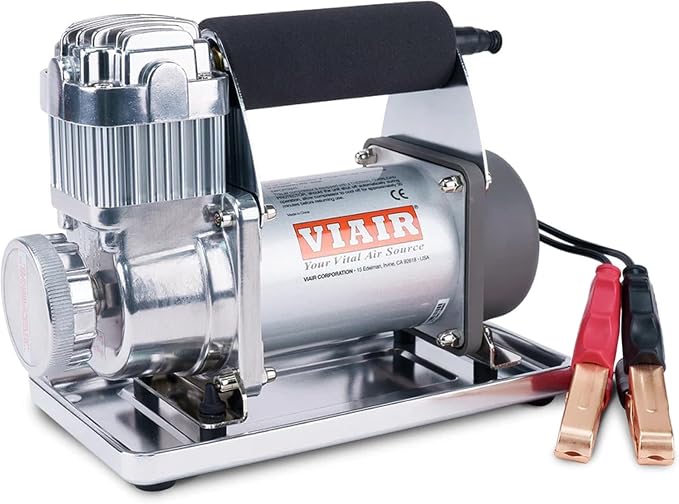
Need a reliable tire inflator that’s ready when you are? The Viair 300P Portable Tire Inflator is a rugged, high-performing tool that delivers both power and portability—making it a dependable companion for roadside emergencies and everyday use.
Built with stainless steel valves and an anodized aluminum cylinder, it feels solid and durable right out of the box. At just 8.7 pounds, it’s lightweight enough to carry with ease, whether you’re storing it in your trunk or taking it off-road.
This inflator delivers impressive power, pushing 2.3 CFM to inflate large tires—like a 35×12.5-inch— from flat to full in about five minutes. It connects directly to your vehicle’s battery using alligator clips, so setup is quick and convenient wherever you are.
One standout feature is the oil-less direct-drive motor. It cuts down on maintenance, so you spend more time inflating and less time fussing over upkeep—a real advantage for anyone who values simplicity.
While the unit can warm up during extended use, giving it a break between sessions helps manage the temperature and keeps everything running smoothly.
With its durable design, solid performance, and ease of use, the Viair 300P stands out as a smart, portable solution for tire inflation you can trust.
4. Craftsman Inflator/Vacuum/Blower 3-IN-1 – Best 3-In-1 Portable Air Compressor

Compact and incredibly versatile, the Craftsman Inflator/Vacuum/Blower 3-IN-1 packs a lot of functionality into one space-saving tool. Whether you’re inflating tires, cleaning up debris, or clearing out dust, it covers all the basics with ease.
One of its best features is how quietly it runs. If you’ve ever needed to inflate something late at night, you’ll appreciate not waking the whole neighborhood. While it may not be the fastest inflator out there, it’s more than capable for everyday needs like topping off tires or inflating sports gear.
Switching between functions is seamless. Moving from inflating to vacuuming or blowing requires no complicated setup, which helps you stay productive without digging through your tool collection. The vacuum performed well during testing, picking up everyday debris with decent suction—a nice bonus in a compact tool.
Ease of use is another strong point. A clearly placed gauge lets you track psi with minimal effort, and the ability to manage multiple tasks in one device helps you get more done in less time.
That said, the inflation speed is a bit slower compared to some dedicated inflators. There’s also a slight drop in psi once inflation stops, possibly due to an internal seal issue—something to note for bigger jobs.
Still, with its quiet operation, simple controls, and multi-function design, the Craftsman 3-IN-1 is a handy addition to any garage or vehicle.
5. AstroAI Handheld Cordless Air Compressor – Best Budget Portable Air Compressor

Looking for a reliable, budget-friendly air compressor? The AstroAI Handheld Cordless Air Compressor stands out as a solid option, combining user-friendly features with dependable performance.
Its larger 20V 36Wh lithium-ion battery is a standout, giving you enough power to inflate tires and even charge small devices in a pinch—especially helpful during road trips or emergencies. The brass chuck ensures a tight, secure fit, minimizing air loss and making inflation smoother and more efficient.
In testing, this compressor easily handled light vehicle tires and even managed to inflate a heavy-duty truck tire—though that’s outside its intended use. A 20-minute duty cycle means you can work on multiple tires back-to-back without worrying about overheating. The auto-shutoff feature is also a plus, allowing for precise inflation without guesswork.
While the digital display can show slight variances from actual PSI levels, it still offers a useful reference point. The included 9’6″ cord gives you plenty of reach when using it plugged in. However, keep in mind that charging it through your vehicle may require a separate adapter. Also, the storage bag could be more convenient—its Velcro strap can be a bit awkward.
Overall, the AstroAI Handheld Cordless Air Compressor is a great choice for everyday needs. It’s easy to use, compact, and packed with features that make it ideal for everything from bike tires to light car maintenance.
Things To Consider When Buying a Portable Air Compressor:
Many factors come into play when you’re looking to buy a portable air compressor that fits your needs. Understanding your specific requirements, such as the types of tasks you’ll be tackling, the compressor’s power and capacity, and its portability can greatly impact your decision. This guide aims to provide you with imperative considerations to help you choose the right portable air compressor for your projects, ensuring you get the best value and performance for your investment.
Types of Portable Air Compressors
A variety of portable air compressors are available on the market, each suited for different tasks and applications. It’s important to choose one that meets your specific needs. Below is a breakdown of types:
Electric vs. Gas-Powered
While electric air compressors are convenient and quieter, gas-powered models provide versatility for outdoor applications where electricity isn’t available. Your choice will largely depend on where you plan to use the compressor and the nature of your tasks.
Oil-Lubricated vs. Oil-Free
Some air compressors use oil for lubrication, while others are oil-free. Each of these types has its own benefits. Oil-lubricated models often run quieter and last longer but require maintenance, whereas oil-free models are easier to maintain and lighter for transport.
Oil-free compressors are excellent for tasks requiring minimal upkeep. They tend to be lighter and more compact, making them ideal for portability. However, they may not provide the longevity and durability of oil-lubricated options, so weigh your requirements against these factors.
Portable vs. Stationary Models
Oil-free options generally suit DIY enthusiasts wanting flexibility. Portable models are designed for mobility, allowing you to easily carry them to different locations, while stationary models are fixed in place, catering to permanent workshops or garages.
Plus, portable models often come with handles or wheels, making them user-friendly. Stationary models, however, typically have larger tanks and can deliver air at higher volumes consistently, making them suitable for professional environments. Depending on your work style and space, consider the advantages of each before deciding.
Factors to Consider When Buying
Clearly, when you’re in the market for a portable air compressor, there are several key factors to keep in mind to ensure you make an informed choice. Consider the following:
- Power Source (Electric vs. Gas)
- Tank Size
- Pressure and CFM Ratings
- Size and Portability
- Noise Level
This set of considerations will help you narrow down your options effectively.
Pressure and CFM Requirements
When dicking out a portable air compressor, it’s crucial to evaluate the pressure (PSI) and CFM (Cubic Feet per Minute) requirements based on your intended use. Different tasks require varying levels of pressure and airflow, so understanding these specifications will ensure the compressor meets your needs.
Size and Portability
Factors such as the compressor’s weight, dimensions, and design play a significant role in portability, especially if you plan to transport it frequently. Lightweight and compact models are ideal for mobility, while still providing adequate power to handle your tasks.
Another important aspect to consider is the design of the compressor. Look for features like built-in handles, wheels, or a compact profile, as these can greatly enhance the ease with which you can transport your air compressor between job sites or storage spaces.
Noise Level
Buying a portable air compressor also requires you to take into account the noise level it produces during operation. Lower decibel ratings mean less disruption, which can be particularly important in residential areas or when working in close quarters.
The noise level can affect not just your comfort but also the experience of those around you. If you have noise-sensitive environments or time constraints, opting for a quieter model will make your tasks much more pleasant and reduce the chance of disturbing others nearby.
Tips for Choosing the Right Model
Once again, selecting the ideal portable air compressor requires careful consideration of several factors. Take note of the following tips to help guide your decision:
- Assess your primary usage needs.
- Consider the compressor’s power and PSI ratings.
- Look at portability features like weight and design.
- Review additional features like noise levels and included accessories.
This will ensure you choose a model that perfectly fits your requirements.
Understanding Your Needs
Choosing the right air compressor begins with understanding your specific needs and tasks. Think about what you’ll be using the compressor for—whether it’s inflating tires, powering pneumatic tools, or other applications. This clarity helps you determine the appropriate pressure, airflow rate, and tank size for your model.
Evaluating Brand Reputation
On your journey to find the perfect air compressor, evaluating the brand’s reputation is important. Look for brands with a track record of reliability and customer satisfaction. Reading reviews and gathering feedback can provide insight into the experiences of other users, giving you confidence in your choice.
Right now, many brands dominate the portable air compressor market. Researching their history, product offerings, and customer service will help you identify the most trusted names. Quality brands typically offer better performance and longevity, ensuring your investment pays off in the long run.
Checking Warranty and Support
Needs vary among users, but ensuring adequate warranty and customer support can save you hassle down the line. Look for models that come with a solid warranty, as this reflects the manufacturer’s confidence in their product. Lengthy warranties often indicate durability and reliability.
Warranty terms can affect your ownership experience significantly. A comprehensive warranty not only covers defects but may also provide peace of mind. Make sure to also verify the availability of customer support; responsive service can make a difference if you encounter issues after your purchase.
Step-by-Step Buying Guide
After deciding to invest in a portable air compressor, it’s vital to follow this step-by-step buying guide. This structured approach will help you make an informed decision that suits your needs. Below is a table summarizing key considerations:
Defining Your Budget
Even before you start browsing, it’s important to define your budget for the portable air compressor. This will help narrow your options and prevent overspending. Determine what features you need most, as they can significantly influence the price range.
Researching Options
Assuming you have set your budget, it’s time to research available options. Investigate different brands, specifications, and user reviews to understand what’s available in the market and what aligns with your needs.
For instance, exploring various online platforms and local stores can give you a diverse view of the features each model offers. Pay attention to factors such as portability, tank size, and power source, as these can impact your experience with the air compressor. Reading reviews from other users can provide insights into reliability and performance, helping you make informed choices based on real-life experiences.
Making the Purchase
Even after finding the right portable air compressor, the purchase process requires careful consideration. Compare prices, warranties, and return policies to ensure that you are getting the best deal possible.
This attention to detail during the purchase phase can save you from buyer’s remorse later. Once you’ve made your selection, proceed to buy from a reputable seller, ensuring the transaction is secure. Don’t hesitate to reach out for customer service if you have questions, as a good support system can be invaluable.
Pros and Cons of Different Models
Many features distinguish portable air compressor models, affecting their suitability for your needs. Understanding the pros and cons can help you make an informed decision. Below is a breakdown of various models:
| Pros | Cons |
|---|---|
| Electric compressors are quieter. | Limited portability due to power cord. |
| No need for fuel refills (electric). | Electric models might not work in remote areas. |
| Gas-powered units are more powerful. | Higher maintenance requirements for gas engines. |
| Better suited for heavy-duty tasks. | Gas compressors can be noisy. |
| Portable for outdoor work with gas units. | Fuel costs can add up over time. |
Advantages of Electric Compressors
Different electric compressors are favored for their quiet operation and user-friendliness. They work well for smaller jobs such as inflating tires or powering airbrushes, making them ideal for home use. Additionally, because they don’t require fuel, you’ll save on ongoing costs, and you can enjoy the convenience of a ready-to-use device that requires less maintenance compared to gas-powered options.
Disadvantages of Gas-Powered Units
Now, while gas-powered units deliver significant power and portability, they come with a set of drawbacks. These compressors can be noisy, and the maintenance often requires more effort compared to electric models. You will need to keep an eye on fuel levels, and the potential for engine wear over time can lead to increased repair costs.
Models of gas-powered compressors typically feature an internal combustion engine, which may require frequent oil changes and other upkeep to ensure optimal performance. Additionally, the noise produced can be off-putting, especially in residential settings. Environmental concerns also arise, as these units produce emissions that can contribute to air pollution. Balancing their powerful performance against maintenance and environmental impact is crucial when considering a gas-powered compressor.
Maintenance Tips for Longevity
All portable air compressors require proper maintenance to ensure they function efficiently over time. Regularly checking your unit not only extends its lifespan but also enhances performance. Here are some tips to maintain your compressor:
- Inspect the air filter regularly and clean or replace as needed.
- Drain condensation from the tank to prevent rust.
- Check for any oil leaks and top off oil levels if necessary.
- Keep the compressor in a dry, clean environment.
Any lapse in maintenance can lead to reduced performance or even costly repairs down the line.
Regular Maintenance Practices
Any air compressor needs routine maintenance to operate effectively. Start by checking the owner’s manual for specific maintenance intervals, and follow a schedule to clean or replace the air filter, as this prevents dirt from clogging the system. Additionally, make it a habit to drain the air tank regularly, which removes moisture that can lead to corrosion. Keeping your compressor’s exterior clean will also help you easily spot any potential issues.
Troubleshooting Common Issues
Even well-maintained compressors can run into problems from time to time. If your air compressor won’t start, the problem often lies with the power supply or the thermal overload switch. In cases of inconsistent pressure, inspect for air leaks or a faulty regulator. Strange noises can indicate loose components or low oil levels. Regularly troubleshooting these common issues ensures you can quickly get back to work without major interruptions.
Another important aspect of troubleshooting is identifying signs of wear and tear early. Listen for unusual sounds during operation, which could signal mechanical problems. If you experience fluctuations in pressure, it may be due to faulty fittings or hoses. Keeping an eye on gauges for any irregular readings can alert you to potential issues before they escalate. By being vigilant about these aspects, you can maintain optimal functionality and enjoy a longer lifespan from your portable air compressor.
Conclusion
Conclusively, when buying a portable air compressor, you should consider factors like the unit’s size, power, and portability to match your specific needs. Evaluate the intended use—whether for inflating tires, powering tools, or HVAC work—to ensure you select a model with the right PSI and CFM ratings. Additionally, check for features such as noise levels, safety mechanisms, and ease of maintenance. By taking these aspects into account, you can make an informed decision that will enhance your experience and efficiency in using your air compressor.