Best Power Drills
Get the Best Power Drills to transform your projects and overcome the hassle of weak, unreliable tools. If you’ve felt frustrated by subpar equipment that slows progress, you’re in the right spot. Our guide dives into top cordless drills and efficient impact drivers to boost your work confidence. Experience the thrill of quality power and make every home improvement task a breeze. Let’s explore these game-changing innovations that add value to your toolkit.
Top 5 Power Drills:
1. Craftsman CMCD710C2 – Best Power Drill Overall

Get ready to take your DIY projects to the next level with the Craftsman CMCD710C2. This power drill made a strong first impression—from the moment it powered through plaster and wood during a wall-mounting project, it was clear this tool means business.
What really stands out is the power. It delivers fast, efficient performance that helps reduce fatigue during longer jobs. While it has some weight to it, that solid build gives it a dependable feel—something you’ll appreciate when tackling tough materials.
Another pleasant surprise is how quietly it runs, even at high speed. You won’t need to shout over it during indoor projects, making the work environment more comfortable, especially when collaborating with others.
The added weight also translates into stability, helping you stay in control as you drill. And since it includes both a battery and charger, you’re ready to get to work right away—no need to shop around for extras.
What we love most about the CMCD710C2 is its consistent performance across a range of tasks. Whether you’re drilling into wood, metal, or drywall, it gets the job done with ease. It’s the kind of tool that quickly becomes a staple in your DIY toolkit.
2. BLACK+DECKER BDCDD120C – Best Lightweight Power Drill

Ready to tackle your DIY projects without the strain? The BLACK+DECKER BDCDD120C is an excellent choice for beginners looking for a lightweight, easy-to-handle power drill. If you’ve ever worried about wrist or arm fatigue, this tool makes a noticeable difference.
Its lightweight design is one of its best features, allowing you to maneuver with ease—especially when tightening screws or assembling furniture. Since it runs on battery power, you’re free to move around without hunting for outlets. Plus, it comes ready to go with a battery, charger, and double-sided bit included.
This drill really shines in everyday household tasks. It’s ideal for lighter projects like installing shelves, building furniture, or fixing drawers. While it may take a bit more time with heavier jobs like wall-mounting a TV, it still gets the work done for those occasional larger tasks.
What stands out most is how practical and user-friendly it is. You get a tool that’s simple to operate, lightweight, and reliable—perfect for casual users or anyone just starting their DIY journey. While it may not match the power of more robust drills, that trade-off is what makes it so approachable.
If you’re after a dependable drill that’s great for modest projects, the BDCDD120C is definitely worth a closer look.
3. DeWalt DCD800B – Best Cordless Power Drill

If you’re looking for a cordless power drill that balances performance with convenience, the DeWalt DCD800B is a standout choice. It delivers impressive power in a compact, easy-to-maneuver design that’s perfect for tackling jobs in tight or awkward spaces.
This drill doesn’t just perform—it adapts. From assembling furniture to securing storage solutions, it handles everyday tasks with confidence. Its versatility makes it a reliable option for a wide range of DIY projects.
One of the features that really adds convenience is the USB-C charging kit. Being able to recharge the battery with a common cable and adapter means fewer headaches and easier replacements if needed. It’s a small detail that makes a big difference, especially when you’re working on the go.
The compact body is another win. It slips into tight corners where larger models might struggle, making detailed or confined work far more manageable. That slim design improves handling without sacrificing power.
While it may come in a bit heavier than some entry-level options, the added performance and access to DeWalt’s wide accessory lineup more than make up for it. You’ll be ready to expand into even bigger projects with confidence.
What stands out most is how well this drill blends thoughtful design with serious power. It’s a smart, dependable tool that easily earns its place in any DIY toolkit.
4. DeWalt DWD115K – Best Corded Power Drill

Give the DeWalt DWD115K a try if you’re after a corded power drill that delivers speed, strength, and consistency. With a max speed that outpaces many cordless models by 25%, this drill offers the kind of performance that keeps your projects moving smoothly.
Its slim, compact design makes it easy to maneuver in tight spots, so whether you’re drilling into hardwood or working around corners, you can stay in control. It handles tough surfaces with confidence, giving you reliable power exactly when you need it.
One of the biggest advantages is the continuous power supply. No batteries to charge, no pauses mid-project—just plug it in and keep going. That reliability alone sets it apart from many cordless alternatives.
Comfort is also a strong suit. It feels well-balanced in hand, helping reduce fatigue during longer sessions. Whether you’re just starting out or have plenty of experience under your belt, it’s simple to use and easy to trust.
While the cord can limit your mobility a bit, it’s a small tradeoff for the consistent power and speed you gain. If you’re okay working within reach of an outlet, the benefits are worth it.
The DeWalt DWD115K is a great match for anyone who values power, precision, and no-nonsense performance—perfect for a wide range of DIY tasks.
5. Litheli Cordless Drill – Best Budget Power Drill
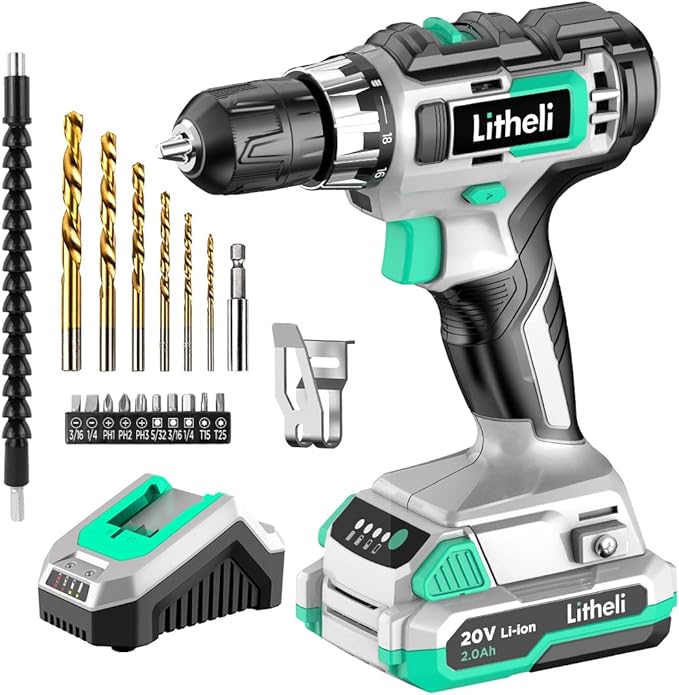
Powerful and practical, the Litheli Cordless Drill proves that you don’t need to spend a fortune to get solid performance. After extensive testing, it held its own against more expensive competitors, offering impressive versatility for a wide range of tasks.
The included set of ten drivers means you’re ready for just about anything right out of the gate. Whether you’re driving screws into storage boxes or tightening hardware on furniture, this drill handles the job smoothly—even during tasks that would challenge other mid-range models.
One of the smart choices Litheli made is offering the drill with or without the battery and charger. This gives you some flexibility, especially if you’re just starting your tool collection or already have compatible batteries. It’s a thoughtful touch that keeps things straightforward without compromising usability.
While it may not have the same polished feel as some premium brands, its performance more than makes up for it. It’s reliable, easy to use, and built to help you tackle everyday DIY projects with confidence.
What stands out most is how Litheli delivers capability and value in one tidy package. With solid performance, useful accessories, and a no-fuss design, it’s a great tool for anyone looking to get the job done without overcomplicating things.
Things To Consider When Buying a Power Drill:
This guide will help you navigate the imperative factors to consider when purchasing a power drill for your projects. Whether you’re a seasoned DIY enthusiast or a beginner, understanding features like power, type, and ergonomics can profoundly impact your decision. You’ll want to align your choice with your specific needs, ensuring you invest in a tool that enhances your capabilities while providing durability and performance. Get ready to make an informed purchase that suits your projects and budget.
Types of Power Drills
For anyone considering a power drill, it’s crucial to understand the various types available. Each drill serves different purposes, making it vital to select the right one for your needs.
This guide will help narrow down your options based on your specific projects and requirements.
Corded vs. Cordless
On choosing between corded and cordless drills, consider your typical project environment. Cordless drills offer flexibility and ease of use, making them suitable for mobile tasks. In contrast, corded drills provide unlimited power and are perfect for intensive jobs where plug access is available.
Hammer Drills and Impact Drivers
Some projects may require the robust capabilities of hammer drills and impact drivers. Hammer drills are specifically designed to handle heavy material by providing a hammering action alongside the drill function. Impact drivers, on the other hand, excel at driving screws and fasteners quickly and efficiently.
Drivers work by delivering strong rotational force, making them ideal for tasks requiring high torque, especially when dealing with larger screws or tough materials. These tools are invaluable for any advanced DIY projects you might undertake, offering the precision and power necessary to complete diverse tasks effectively.
Factors to Consider
Even as you commence on your journey to purchase a power drill, it’s necessary to weigh various factors that can greatly influence your experience and satisfaction. Consider the following points:
- Purpose of use
- Frequency of use
- Weight and ergonomics
- Brand reputation
- Budget constraints
Recognizing these factors can help ensure you choose a drill that meets your needs effectively.
Power and Voltage
Any drill’s power largely depends on its voltage, influencing its performance in various tasks. Higher voltage generally indicates greater power, enabling you to tackle tougher materials. If you plan on handling heavy-duty jobs, look for drills with a voltage rating between 18V to 20V. For lighter tasks, a lower voltage drill might suffice, but ensure it still meets your project requirements.
Chuck Size and Type
Assuming you’re keen on getting a drill that offers versatility, the chuck size and type are necessary components to consider. A keyless chuck makes accessory changes simple, while a keyed chuck can offer additional gripping power for larger bits.
With the chuck size and type, you’re looking at the compatibility of bits you’ll use. Common sizes are 1/4-inch, 3/8-inch, and 1/2-inch chucks, where a larger chuck allows for bigger drill bits. Choose a type that matches most of your tasks, so you won’t be limited when tackling various projects. This consideration will aid in ensuring your drill serves multiple purposes effectively over time.
Tips for Choosing the Right Drill
If you’re in the market for a power drill, consider these imperative tips to make an informed choice:
- Identify the types of projects you’ll tackle.
- Decide between corded and cordless options.
- Look for variable speed and torque settings.
- Evaluate battery life and charging time for cordless models.
- Check for additional features like a built-in level or LED light.
Knowing these aspects will guide you toward the drill that best fits your requirements.
Assessing Your Needs
Assessing your needs is the first step in choosing the right drill. Think about the specific tasks you plan to accomplish, such as DIY home improvements, woodworking, or automotive repairs. Consider the materials you’ll be working with, as different drills are suited for varying applications. By understanding your needs, you can narrow down options that will offer the best performance for your projects.
Brand Reputation and Reviews
With numerous brands available, evaluating brand reputation and customer reviews should be part of your decision-making process. Look for brands known for their quality and reliability, as this often correlates with performance and durability. Online reviews can provide insight into user experiences, helping you identify any common issues or praises associated with specific models.
It’s advisable to take the time to research various brands and read customer feedback. Customer reviews often highlight real-world usage and can reveal strengths and weaknesses you might otherwise overlook. Look for brands that consistently receive high ratings, pay attention to recurring comments about performance and longevity, and consider what your peers recommend. By factoring in both brand reputation and consumer insights, you can feel confident in selecting a drill that meets your expectations.
Pros and Cons of Popular Models
Once again, understanding the pros and cons of popular power drill models can help you make a more informed choice. Below is a breakdown to guide your selection:
| Pros | Cons |
|---|---|
| Lightweight and portable | May lack power for heavy-duty tasks |
| Multiple speed settings | Battery life can be short |
| Ergonomic design | Higher price for premium models |
| Variety of attachments | Replacement parts can be costly |
| Good warranty options | Learning curve for advanced features |
Advantages
To choose the right power drill, it’s advantageous to look for models that offer lightweight designs, multiple speed settings, and a variety of attachments. An ergonomic grip can enhance comfort during prolonged use, while good warranty options provide peace of mind in your investment.
Disadvantages
Disadvantages of certain power drill models often include limited power for heavy-duty tasks and shorter battery life, which can hinder efficiency. Additionally, higher-priced premium models may come with costly replacement parts, while advanced features may present a learning curve for new users.
With all these factors in mind, it’s vital to assess your specific needs and the types of projects you’ll be tackling. A model that excels in one area might not meet your expectations in another, so weigh the advantages and disadvantages carefully before committing to a purchase.
Step-by-Step Buying Guide
To make an informed purchase when buying a power drill, follow this step-by-step guide that will simplify your decision-making process.
Researching Available Options
On your journey to finding the ideal power drill, explore various brands and models online. Take note of user reviews and comparisons to understand how different drills perform under specific conditions, which may help illuminate options that suit your preferences and needs.
Testing and Evaluating Performance
Performance tests will help you determine how a power drill handles various tasks. Assess factors such as battery life, torque settings, and drill speed to ensure that the tool can meet your project demands.
The best way to test and evaluate a power drill’s performance is by considering real-life scenarios you plan to use it for. If possible, visit a local store to hold the drill in your hands, check its weight, and operate it to gauge comfort. Pay attention to how smoothly it drills through materials and how easily it transitions between tasks. This firsthand experience will aid you in choosing a drill that not only meets your expectations but also feels right for your specific applications.
Maintenance and Care
Now that you’ve selected your ideal power drill, understanding its maintenance and care is important to extend its lifespan. Regular upkeep not only enhances performance but also ensures safety while you’re working. Cleaning, checking components, and storing your drill properly will keep it functioning optimally for years to come. Paying attention to these details can significantly lower the chances of your drill failing when you need it most.
Keeping Your Drill in Top Shape
Assuming you take proper care of your drill, you can enjoy its benefits for a long time. Start by regularly cleaning it after each use, removing dust and debris that can affect performance. Check the battery health, inspect for loose screws, and replace worn-out parts immediately. Proper storage is also important; keep your drill in a dry place and use a case to protect it from accidental damage.
Troubleshooting Common Issues
Care for your power drill includes knowing how to troubleshoot common problems you might encounter. Recognizing signs of battery failure, unusual noises, or inconsistent power can help you address issues before they escalate. Regularly testing your drill and listening for any irregular sounds can alert you to underlying problems that may require attention.
Understanding the common issues that may arise with your power drill allows you to take proactive steps in maintaining it. If your drill slows down or the battery drains quickly, it could indicate a need for replacement batteries or a more serious malfunction. You should also check if the chuck is loose, which can affect drill performance. By identifying these problems early, you can save yourself time and money and ensure your drill remains reliable throughout its use.
Conclusion
Drawing together the various factors, when buying a power drill, it is vital to assess your specific needs, including the types of projects you plan to undertake. You should consider the drill’s power, battery life, weight, and ergonomics to ensure it fits comfortably in your hand during extended use. Additionally, pay attention to the features that can enhance versatility, such as adjustable speeds and torque settings. By evaluating these aspects, you can select a power drill that will serve you effectively for many tasks ahead.